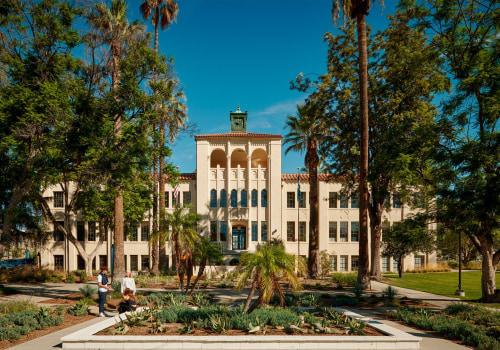
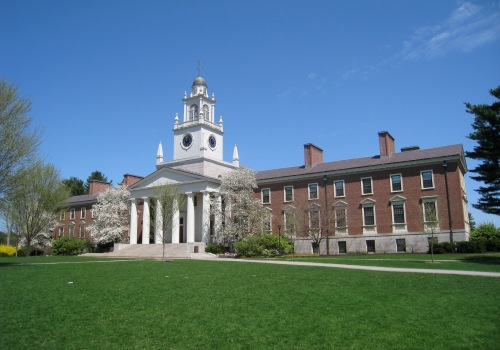
Boarding schools represent a unique educational model that combines rigorous academics with a residential lifestyle, offering students an immersive learning experience. Unlike traditional schools where students return home at the end of the day, boarding schools provide a living environment on campus, allowing students to engage in their studies and extracurricular activities around the clock. This structure fosters a sense of community and belonging, as students live and learn alongside their peers, forming lasting friendships and networks that can benefit them throughout their lives.One of the most significant advantages of boarding schools is their ability to offer a comprehensive educational experience that extends beyond the classroom. Students are not only challenged academically but also encouraged to develop essential life skills such as independence, time management, and self-discipline.
The close-knit environment of boarding schools allows for personalized attention from educators who are dedicated to nurturing each student's potential. This is particularly evident in schools in Los Angeles, where diverse programs cater to various interests and talents, from arts to athletics.Moreover, boarding schools often provide access to resources and facilities that may not be available in traditional public or private schools. This includes advanced technology, specialized courses, and extracurricular activities that promote holistic development. As students navigate this enriching environment, they are better prepared for the challenges of higher education and future careers.
The combination of academic rigor, personal growth opportunities, and a supportive community makes boarding schools an appealing choice for many families seeking the best for their children.
Academic Excellence at Boarding Schools
Boarding schools are renowned for their commitment to academic excellence , providing students with a rigorous educational experience that often surpasses that of traditional schools. One of the key factors contributing to this high standard is the diverse range of academic programs offered. Many boarding schools in Los Angeles, for instance, have developed specialized curricula that cater to various interests and career paths, including STEM, arts, humanities, and international studies.These programs are designed not only to challenge students intellectually but also to prepare them for the demands of higher education. With smaller class sizes, students receive more individualized attention from experienced faculty members who are often experts in their respective fields.This close interaction fosters a learning environment where students can engage deeply with the material, ask questions freely, and receive immediate feedback on their progress.Moreover, boarding schools frequently incorporate advanced placement (AP) courses and International Baccalaureate (IB) programs into their offerings. These rigorous courses allow students to earn college credit while still in high school, giving them a significant advantage when applying to universities. The emphasis on critical thinking, research skills, and collaborative projects prepares students not just for exams but for the challenges they will face in college and beyond.Another aspect that enhances academic success at boarding schools is the culture of accountability and motivation. Living on campus creates a unique environment where students are surrounded by peers who are equally dedicated to their studies.
This communal atmosphere encourages healthy competition and collaboration, pushing each student to strive for their best. Additionally, many boarding schools offer extensive resources such as tutoring programs, study halls, and academic counseling to support students in achieving their goals.In summary, the combination of specialized academic programs, experienced faculty, and a supportive community contributes significantly to the higher college readiness of boarding school students compared to their counterparts in traditional educational settings. For parents considering options for their children’s education, exploring schools in Los Angeles that offer these enriching experiences can be a pivotal step towards ensuring their child’s academic success.
Personal Development and Life Skills
Boarding schools provide a unique environment that significantly contributes to personal growth and the development of essential life skills. Unlike traditional educational settings, the immersive nature of boarding schools fosters a sense of community and responsibility among students, allowing them to thrive both academically and personally.One of the key aspects of personal development in boarding schools is the structured environment they offer.Students are encouraged to manage their time effectively, balancing academic responsibilities with extracurricular activities. This structure not only helps them develop strong organizational skills but also instills a sense of discipline that is crucial for success in later life.Extracurricular activities play a vital role in enhancing life skills education. Boarding schools typically offer a wide range of programs, from sports teams to arts and music clubs, which allow students to explore their interests and talents. Participation in these activities promotes teamwork, leadership, and communication skills. Students are encouraged to manage their time effectively, balancing academic responsibilities with extracurricular activities. This structure not only helps them develop strong organizational skills but also instills a sense of discipline that is crucial for success in later life.Extracurricular activities play a vital role in enhancing life skills education. Boarding schools typically offer a wide range of programs, from sports teams to arts and music clubs, which allow students to explore their interests and talents. Participation in these activities promotes teamwork, leadership, and communication skills.
For instance, being part of a sports team teaches students how to work collaboratively towards a common goal, while involvement in theater or music can boost their confidence and public speaking abilities.Moreover, living in a close-knit community with peers from diverse backgrounds encourages students to develop empathy and social awareness. They learn to navigate interpersonal relationships, resolve conflicts, and appreciate different perspectives. This exposure is invaluable as it prepares them for the complexities of adult life, where collaboration and understanding are essential.Character development is another critical component of the boarding school experience. Many institutions emphasize values such as integrity, respect, and responsibility through their codes of conduct and community service initiatives.
Students are often required to engage in volunteer work or community projects, which not only enriches their understanding of social responsibility but also cultivates a sense of purpose.In summary, boarding schools are not just about academic excellence; they are also about nurturing well-rounded individuals equipped with the necessary life skills for future success. The combination of structured environments, diverse extracurricular opportunities, and community living creates a fertile ground for personal growth and character development, making these institutions an excellent choice for parents seeking comprehensive education for their children.
Social Skills and Networking Opportunities
One of the most significant advantages of attending a boarding school is the opportunity for students to develop social skills in a supportive and immersive environment. Living alongside peers from diverse backgrounds fosters a sense of community that is often absent in traditional day schools. This close-knit atmosphere encourages students to engage with one another, share experiences, and build lasting friendships.In a boarding school setting, students are not just classmates; they become housemates and friends.This unique living arrangement allows them to practice essential social skills such as communication, empathy, and conflict resolution on a daily basis. For instance, when students collaborate on group projects or participate in extracurricular activities, they learn to navigate different personalities and perspectives, which is invaluable in both personal and professional contexts.Moreover, the structured environment of boarding schools often includes various social events, such as dances, sports competitions, and community service projects. These events provide students with opportunities to interact outside of the classroom, further enhancing their ability to form connections and network effectively.
Networking
is another critical aspect of the boarding school experience. Many prestigious boarding schools have extensive alumni networks that can open doors for students long after they graduate.
Alumni often return to mentor current students, providing guidance on career paths and offering internship opportunities. This connection can be particularly beneficial for students looking to enter competitive fields or pursue higher education.Additionally, the diverse student body at many boarding schools allows for exposure to various cultures and ideas. This diversity not only enriches the educational experience but also prepares students for a globalized workforce where collaboration with individuals from different backgrounds is essential.In summary, the social skills development and networking opportunities provided by boarding schools are invaluable assets that contribute significantly to a student's overall growth. By fostering strong relationships within a supportive community, students are better equipped to face future challenges and seize opportunities in their personal and professional lives.
Diverse Extracurricular Activities
One of the most compelling aspects of boarding school education is the extensive range of extracurricular activities available to students.These programs not only enrich the academic experience but also play a crucial role in personal development, helping students discover their passions and hone their skills outside the classroom.
Sports Programs
Boarding schools often boast robust sports programs that cater to a variety of interests and skill levels. From traditional team sports like soccer, basketball, and baseball to individual pursuits such as swimming, tennis, and track and field, students have ample opportunities to engage in physical activity. Participation in sports fosters teamwork, discipline, and resilience—qualities that are invaluable both in school and later in life.Moreover, many boarding schools offer specialized training and coaching, allowing students to excel in their chosen sports. This can lead to opportunities for scholarships or recruitment into collegiate athletic programs.
The camaraderie built through team sports also helps students forge lasting friendships and develop a sense of belonging within the school community.
Arts Education
The arts are another vital component of the extracurricular landscape at boarding schools. Many institutions provide comprehensive arts education, including visual arts, music, theater, and dance. Students can explore their creative sides through various mediums, whether it’s painting, sculpting, playing an instrument, or performing on stage.Participation in the arts not only enhances creativity but also boosts confidence and self-expression. Students often have the chance to showcase their talents through exhibitions, concerts, and performances, which can be incredibly rewarding experiences.
Additionally, arts programs frequently encourage collaboration among students, fostering a spirit of teamwork similar to that found in sports.
Clubs and Organizations
Beyond sports and arts, boarding schools typically offer a wide array of clubs and organizations that cater to diverse interests. From academic clubs like debate and science Olympiad to cultural organizations celebrating various heritages, there is something for everyone. These clubs provide students with opportunities to pursue their interests deeply while developing leadership skills.
- Community Service: Many schools emphasize community engagement through service clubs that allow students to give back and make a positive impact.
- Student Government: Involvement in student government helps cultivate leadership skills and encourages civic responsibility.
- Environmental Clubs: With a growing focus on sustainability, these clubs engage students in environmental advocacy and awareness initiatives.
Support Systems and Mentorship
One of the most significant advantages of boarding schools is the robust support systems they provide, which are designed to foster both academic success and personal growth.These institutions recognize that education extends beyond the classroom, and they strive to create an environment where students can thrive holistically.At the heart of these support systems are dedicated faculty members who serve as mentors. These educators are not just teachers; they are guides who invest time in understanding each student's unique strengths and challenges. This personalized attention allows for tailored academic support, ensuring that students receive the help they need to excel in their studies.Many boarding schools implement formal mentorship programs , pairing students with faculty or older peers who can offer guidance and encouragement. These relationships often extend beyond academic advice, providing emotional support during challenging times.
For instance, a student struggling with homesickness may find comfort in talking to a mentor who has experienced similar feelings.In addition to academic mentorship, boarding schools often emphasize the importance of life skills development. Students are encouraged to participate in various extracurricular activities, from sports to arts, which not only enhance their resumes but also build confidence and teamwork skills. Mentors play a crucial role in helping students navigate these opportunities, encouraging them to step out of their comfort zones and explore new interests.The community aspect of boarding schools further strengthens these support systems. Living alongside peers fosters a sense of belonging and camaraderie, allowing students to form lasting friendships.
This close-knit environment encourages collaboration and mutual support among students, creating a culture where everyone is invested in each other's success.Moreover, many boarding schools offer counseling services that address both academic pressures and personal issues. Trained professionals are available to help students manage stress, develop coping strategies, and maintain mental well-being. This comprehensive approach ensures that students have access to the resources they need to navigate the complexities of adolescence while pursuing their educational goals.In summary, the support systems and mentorship available at boarding schools play a pivotal role in shaping well-rounded individuals. By providing personalized guidance and fostering a supportive community, these institutions equip students with the tools they need to succeed academically and personally, preparing them for future challenges.
Choosing the Right Boarding School in Los Angeles
Choosing the right boarding school in Los Angeles for your child is a significant decision that can shape their educational journey and personal development.With numerous options available, it’s essential to approach this process thoughtfully. Here are some key factors to consider when selecting a boarding school:
- Location: The geographical setting of the school can greatly influence your child's experience. Consider whether you prefer a school within the bustling city of Los Angeles or one in a more tranquil suburban area. Proximity to home may also be a factor, especially if you want your child to have regular visits.
- Programs Offered: Different schools specialize in various academic and extracurricular programs.
Research the curriculum and ensure it aligns with your child's interests and future aspirations. For instance, if your child is passionate about the arts or athletics, look for schools that offer robust programs in those areas.
- School Culture: Each boarding school has its unique culture and values. Visit potential schools to get a feel for the environment. Speak with current students and faculty to understand the community dynamics, support systems, and overall atmosphere.
- Class Size and Teacher-to-Student Ratio: Smaller class sizes often lead to more personalized attention from teachers, which can enhance learning outcomes.
Investigate the average class size and how many students each teacher is responsible for.
- Extracurricular Activities: A well-rounded education includes opportunities beyond academics. Look for schools that offer a variety of clubs, sports, and community service programs that can help your child develop new skills and interests.
- Alumni Success: Research the achievements of alumni from the schools you are considering. A strong track record of graduates who have gone on to prestigious colleges or successful careers can be an indicator of the school's effectiveness.
Affordability and Financial Aid Options
When considering a boarding school education, one of the most significant factors for families is the tuition costs.In Los Angeles, the price of attending a boarding school can vary widely, typically ranging from $30,000 to over $60,000 per year. This range often depends on the school's reputation, facilities, and the breadth of programs offered. While these figures may seem daunting, it is essential to understand that many schools provide various financial aid options to help alleviate the burden of tuition.Many boarding schools in Los Angeles are committed to making their education accessible to a diverse student body. To achieve this, they offer a variety of financial aid programs , which can include:
- Need-based scholarships: These are awarded based on a family's financial situation.
Schools typically require families to submit detailed financial information to assess their eligibility.
- Merit-based scholarships: Some institutions offer scholarships based on academic performance, athletic ability, or artistic talent. These awards can significantly reduce tuition costs for high-achieving students.
- Payment plans: Many schools provide flexible payment options that allow families to spread tuition payments over the course of the year rather than paying a lump sum upfront.
- Work-study programs: Some boarding schools offer opportunities for students to work part-time within the school community in exchange for reduced tuition costs.
By taking the time to investigate various schools and their financial assistance programs, families can find an option that aligns with both their educational goals and budgetary constraints.
<strong>Frequently Asked Questions</strong>
When considering boarding schools, parents often have numerous questions and concerns. This section aims to address some of the most frequently asked questions, dispelling common myths and providing clarity on misconceptions surrounding this educational choice.What are the main differences between boarding schools and public schools?
One of the primary distinctions between boarding schools and public schools is the living arrangement. Boarding schools provide a residential experience where students live on campus, fostering a sense of community and independence. In contrast, public schools typically require students to commute from home daily.Academically, boarding schools often offer smaller class sizes, which allows for more personalized attention from teachers.This can lead to enhanced learning experiences and better academic outcomes. Additionally, many boarding schools have rigorous academic programs that prepare students for higher education, often with advanced placement courses and specialized programs not commonly found in public schools.
Are boarding schools only for troubled teens?
This is a prevalent myth that needs clarification. While some boarding schools cater to students with behavioral issues or specific challenges, the majority are designed for a wide range of students seeking a high-quality education. Many families choose boarding schools for their academic rigor, extracurricular opportunities, and the chance for their children to develop independence in a supportive environment.What about the cost of boarding school?
Another common concern is the financial aspect of attending a boarding school.While tuition can be high, many institutions offer financial aid packages, scholarships, and payment plans to help alleviate costs. Additionally, state-funded boarding schools provide an affordable option for families who may not be able to cover full tuition fees.
How do I choose the right boarding school?
Choosing the right boarding school involves thorough research and consideration of your child's unique needs and interests. Factors to consider include:- Academic Programs: Look for schools that offer programs aligned with your child's academic goals.
- Extracurricular Activities: Consider what sports, arts, or clubs are available that might interest your child.
- School Culture: Visit campuses to get a feel for the community and values of each school.
- Support Services: Ensure that the school provides adequate support for students' emotional and social needs.
<strong>Conclusion</strong>
In conclusion, the decision to enroll a child in a boarding school is one that can significantly shape their educational journey and personal development.Throughout this article, we have explored various benefits that boarding schools offer, particularly for families considering schools in Los Angeles.One of the most compelling advantages of boarding school education is the academic rigor that these institutions provide. With smaller class sizes, students receive more individualized attention from experienced educators, allowing them to excel academically. This tailored approach not only enhances learning but also fosters critical thinking and problem-solving skills that are essential for success in higher education and beyond.Moreover, boarding schools cultivate a holistic educational environment. Beyond academics, students engage in a variety of extracurricular activities, including sports, arts, and community service.
This well-rounded experience helps develop leadership qualities and teamwork skills, preparing students for the complexities of adult life.The community aspect of boarding schools cannot be overstated. Living alongside peers fosters deep friendships and a sense of belonging. Students learn to navigate social dynamics and develop strong communication skills, which are invaluable in both personal and professional settings. The close-knit environment also encourages collaboration and mutual support among students.Additionally, many boarding schools boast extensive alumni networks , providing current students with mentorship opportunities and connections that can be beneficial in their future careers.
This network often extends beyond graduation, offering lifelong support as students transition into adulthood.As parents weigh their options for their children's education, it is crucial to consider the long-term benefits that boarding schools can provide. While the initial decision may seem daunting due to factors such as cost and distance from home, the potential for personal growth, academic excellence, and future opportunities makes boarding school a worthy investment.Ultimately, choosing the right educational path is a deeply personal decision that should align with each child's unique needs and aspirations. Boarding schools present a viable option for those seeking an enriching educational experience that prepares students not just for college but for life.