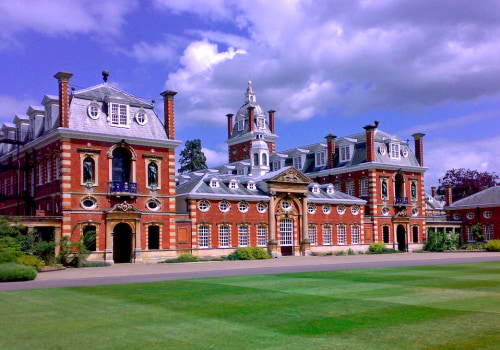
Private colleges in America play a pivotal role in shaping the educational landscape, offering unique opportunities that often set them apart from their public counterparts. These institutions are characterized by their independent funding structures, which typically rely on tuition, donations, and endowments rather than state funding. This financial model allows private colleges to maintain smaller class sizes, provide personalized attention, and foster a close-knit community among students and faculty. As a result, many students find that the intimate learning environment of private colleges enhances their academic experience and personal growth.When evaluating the top private colleges in the United States, several criteria come into play.
Factors such as academic reputation, graduation rates, faculty qualifications, and student satisfaction are crucial in determining a college's standing. Additionally, the availability of resources such as research facilities, libraries, and extracurricular activities significantly influences a school's appeal. For students considering schools in Los Angeles , understanding these criteria is essential for making informed decisions about their educational journey.Los Angeles is home to a diverse array of private colleges that cater to various academic interests and career aspirations. From prestigious institutions with national recognition to smaller liberal arts colleges that emphasize personalized education, the options are plentiful.
The vibrant cultural scene and economic opportunities in Los Angeles further enhance the appeal of these private colleges, making them attractive choices for both local and out-of-state students.As we delve deeper into the discussion of what constitutes the #1 private college in America, it is important to consider how these institutions not only provide academic excellence but also prepare students for success in an increasingly competitive world. The unique attributes of private colleges can significantly impact a student's educational experience and future career prospects, particularly in a dynamic city like Los Angeles.
What Makes a Private College Stand Out?
Private colleges are distinct educational institutions that operate independently of state funding, which significantly influences their structure and offerings. Unlike public colleges, which rely heavily on government support, private colleges are primarily funded through tuition fees, donations, and endowments. This funding model allows them to maintain a level of autonomy in their academic programs and campus life.One of the most notable characteristics of private colleges is their smaller class sizes.Typically, these institutions boast a lower student-to-faculty ratio compared to public universities. This means that students often receive more personalized attention from professors, fostering a more engaging and interactive learning environment. In many cases, classes at private colleges can have as few as 10 to 20 students, allowing for in-depth discussions and tailored feedback.Additionally, the faculty-to-student ratio at private colleges tends to be more favorable. With a higher number of faculty members per student, educators can dedicate more time to mentoring and advising students.
This close-knit academic community not only enhances the educational experience but also helps students build meaningful relationships with their professors, which can be invaluable for networking and career opportunities.The benefits of attending a private college extend beyond just class size and faculty interaction. Many private institutions offer robust financial aid packages that can make them more accessible to a diverse range of students. Because they are not bound by state funding limitations, private colleges often have greater flexibility in allocating resources for scholarships and grants.Moreover, private colleges frequently emphasize a holistic approach to education. They often encourage students to explore various disciplines through liberal arts programs, which can lead to a well-rounded educational experience.
This flexibility is particularly beneficial for students who may be undecided about their major or wish to pursue interdisciplinary studies.In contrast, public colleges may have larger class sizes and less individualized attention due to their funding structures and enrollment numbers. While they offer valuable educational opportunities, the experience can differ significantly from that of a private institution.In summary, the unique characteristics of private colleges—such as their funding models, smaller class sizes, favorable faculty-to-student ratios, and holistic educational approaches—contribute to their appeal and high rankings in the realm of higher education. These factors create an environment where students can thrive academically and personally, making private colleges an attractive option for many prospective students.
The #1 Private College in America: Harvard University
Harvard University, established in 1636, stands as a beacon of academic excellence and is often regarded as theHarvard University, established in 1636, stands as a beacon of academic excellence and is often regarded as the #1 private college in America. Its rich history and tradition of scholarship have made it a cornerstone of higher education, not just in the United States but globally.As a member of the prestigious Ivy League, Harvard has cultivated an environment that fosters intellectual curiosity and innovation.The university offers a diverse array of academic programs across its various schools, including the Harvard College for undergraduate studies, Harvard Law School, Harvard Business School, and the Harvard Medical School. This extensive range allows students to pursue their passions while benefiting from interdisciplinary learning opportunities. With over 3,700 courses available, students can tailor their education to fit their unique interests and career aspirations.One of the defining features of Harvard is its commitment to research. The university boasts an impressive faculty that includes numerous Nobel laureates, Pulitzer Prize winners, and leading experts in their fields.
This access to world-class scholars not only enhances the learning experience but also provides students with opportunities to engage in groundbreaking research projects.Campus culture at Harvard is vibrant and diverse, with students hailing from all corners of the globe. This melting pot of ideas and perspectives enriches classroom discussions and fosters a sense of community among students. Extracurricular activities abound, ranging from over 400 student organizations to athletic teams competing at the highest levels. The university's commitment to inclusivity ensures that every student can find their niche and thrive.Harvard's alumni network is another significant aspect of its prestige.
Graduates include influential figures such as U. S. Presidents, Supreme Court Justices, and leaders in business and academia. This extensive network not only provides current students with mentorship opportunities but also opens doors for future career prospects.In summary, Harvard University’s combination of historical significance, academic rigor, diverse campus life, and a powerful alumni network solidifies its status as the premier private college in America.
For those seeking an unparalleled educational experience that prepares them for leadership roles in society, Harvard remains an unmatched choice.
Private Colleges in Los Angeles: A Closer Look
Los Angeles, a vibrant hub of culture and innovation, is home to a diverse array of private colleges that cater to a wide range of academic interests and career aspirations. These institutions not only provide quality education but also offer unique programs that reflect the dynamic nature of the city.Among the most notable private colleges in Los Angeles is the University of Southern California (USC). Renowned for its strong emphasis on research and professional programs, USC boasts a robust selection of degrees in fields such as business, cinema, and engineering. The university's location in the heart of LA allows students to engage with industry leaders and gain practical experience through internships and networking opportunities.Another prominent institution is Loyola Marymount University (LMU) , which combines rigorous academics with a commitment to social justice.LMU offers a variety of undergraduate and graduate programs, particularly excelling in areas like film and television production, business administration, and education. The university's Jesuit values encourage students to develop not only intellectually but also ethically.
Occidental College
, known for its liberal arts curriculum, provides a more intimate educational setting with small class sizes and personalized attention from faculty. Located in the Eagle Rock neighborhood, Occidental emphasizes critical thinking and interdisciplinary studies, preparing students for a wide range of careers or further academic pursuits.In addition to these well-known institutions, Los Angeles is also home to specialized schools such as the ArtCenter College of Design , which focuses on art and design disciplines. This college is highly regarded for its innovative approach to education, fostering creativity and technical skills essential for success in the competitive design industry.The landscape of education in LA is further enriched by institutions like California State University, Los Angeles (CSULA) , which, while a public university, offers many private college-like experiences through its smaller programs and dedicated faculty.
CSULA provides affordable education options without compromising on quality.Overall, the private colleges in Los Angeles not only compete on a national level but also offer unique advantages that cater to the diverse needs of their student populations. With their strong connections to industries, commitment to social responsibility, and focus on personalized education, these institutions are shaping the future leaders of tomorrow.
Comparing Private Colleges: Key Factors to Consider
When it comes to choosing a private college, students face a myriad of options, each with its own unique offerings and characteristics. To make an informed decision, it is essential to consider several key factors that can significantly impact the overall college experience.1.Academic Reputation
The academic reputation of a college is often one of the most critical factors in the selection process. This reputation can be gauged through various metrics, including:
- Faculty Credentials: Investigate the qualifications and achievements of the faculty members.
Professors with advanced degrees and notable research contributions can enhance the learning experience.
- Program Rankings: Look for rankings specific to your intended major or field of study. Some colleges excel in particular disciplines, which can provide you with specialized knowledge and skills.
- Alumni Success: Research the career trajectories of alumni. A strong network and successful graduates can indicate a college's effectiveness in preparing students for the workforce.
2.Financial Aid Options
Understanding the financial aid landscape is crucial when comparing private colleges. Many institutions offer substantial financial aid packages that can significantly reduce tuition costs.
Consider the following:
- Scholarships and Grants: Investigate merit-based and need-based scholarships offered by the college. These can alleviate financial burdens and make education more accessible.
- Work-Study Programs: Some colleges provide opportunities for students to work part-time on campus, allowing them to earn money while gaining valuable experience.
- Loan Options: Familiarize yourself with federal and private loan options available through the institution, as well as their terms and conditions.
3.Campus Facilities
The quality of campus facilities can greatly influence your college experience. Consider visiting campuses to assess:
- Libraries and Study Spaces: A well-equipped library with ample study areas can enhance your academic performance.
- Laboratories and Technology: For science or technology majors, access to modern labs and equipment is essential for hands-on learning.
- Recreational Facilities: Look for gyms, sports fields, and wellness centers that promote a balanced lifestyle.
4.Extracurricular Opportunities
A vibrant campus life is often enriched by extracurricular activities. Engaging in clubs, organizations, and events can foster personal growth and networking opportunities.
Consider:
- Diversity of Clubs: A wide range of student organizations allows you to explore interests outside academics.
- Cultural Events: Colleges that host cultural events promote inclusivity and provide exposure to different perspectives.
- Internship Opportunities: Look for colleges that have strong connections with local businesses for internships that can enhance your resume.
The Role of Financial Aid at Private Colleges
Attending a private college can be a significant financial commitment, but understanding the role of financial aid can make this investment more manageable. Private colleges often have higher tuition rates compared to public institutions, which can lead prospective students to question the affordability of these esteemed schools. However, many private colleges offer robust financial aid programs designed to support students from various economic backgrounds.Financial Aid Packages
at private colleges typically consist of a combination of grants, scholarships, work-study opportunities, and loans. Unlike public universities, which may rely heavily on state funding, private institutions often depend on tuition and private donations.
This funding model allows them to offer substantial financial aid packages that can significantly reduce the overall cost of attendance.One of the most appealing aspects of financial aid at private colleges is the availability of scholarships. Many private universities provide merit-based scholarships that reward academic excellence, leadership skills, or unique talents. These scholarships can cover a portion or even the entirety of tuition costs, making it easier for students to afford their education without incurring excessive debt.In addition to merit-based scholarships, many private colleges also offer need-based aid. This type of assistance is determined by a family's financial situation and is designed to ensure that students from lower-income backgrounds have access to quality education.
To apply for need-based aid, students typically need to submit the Free Application for Federal Student Aid (FAFSA) and sometimes additional forms specific to the institution.Furthermore, some private colleges have adopted a No-Loan Policy , which means that they do not include loans in their financial aid packages. Instead, they provide grants and scholarships that do not need to be repaid. This approach alleviates the burden of student debt and allows graduates to start their careers without the weight of financial obligations hanging over them.Understanding the cost of attendance at private colleges is crucial for prospective students. This cost includes not only tuition but also fees, room and board, books, and personal expenses.
By carefully evaluating these factors and exploring available financial aid options, students can make informed decisions about their education.In conclusion, while the sticker price of private colleges may seem daunting at first glance, the extensive financial aid resources available can make these institutions more accessible than many realize. With a combination of scholarships, grants, and innovative financial aid policies, private colleges strive to ensure that all qualified students have the opportunity to pursue their academic goals.
Success Stories: Alumni from Top Private Colleges
Private colleges have long been recognized for their ability to cultivate talent and foster innovation among their students. The success stories of their alumni serve as a testament to the profound impact that a quality education can have on individual careers and society as a whole.One notable example is Sheryl Sandberg , a graduate of Harvard University, who has made significant contributions to the tech industry as the former COO of Facebook. Her book, Lean In, has inspired countless women to pursue leadership roles, showcasing how an education from a prestigious institution can empower individuals to effect change on a global scale.Another remarkable alumnus is John F.Kennedy
, who attended Harvard before becoming the 35th President of the United States. His time at Harvard not only shaped his political views but also equipped him with the skills necessary to lead during one of the most tumultuous periods in American history. Kennedy's legacy continues to influence political discourse today.Stanford University
has produced numerous successful entrepreneurs, including
Elon Musk
, co-founder of Tesla and SpaceX. Musk's groundbreaking work in electric vehicles and space exploration exemplifies how education at a top private college can fuel innovation and drive industries forward.The impact of private college education extends beyond individual success stories.
Graduates often engage in philanthropic efforts, using their resources and influence to give back to their communities. For instance, Oprah Winfrey , who attended Tennessee State University but has strong ties with various private institutions, has dedicated her life to improving education for underprivileged children through her foundation.In addition to these high-profile figures, many alumni from private colleges contribute significantly in fields such as medicine, law, and the arts. Their diverse paths illustrate that a private college education not only opens doors but also equips graduates with critical thinking skills and a network that can be invaluable throughout their careers.Ultimately, the success stories of alumni from top private colleges highlight the transformative power of education. These individuals not only achieve personal success but also inspire future generations to pursue their dreams and make meaningful contributions to society.
Frequently Asked Questions About Private Colleges
As prospective students consider their options for higher education, many questions arise regarding private colleges.Understanding the nuances of these institutions can significantly impact your college selection process. Below are some frequently asked questions that can help clarify common misconceptions and provide valuable insights into the admissions process for private universities.
What are the main differences between private and public colleges?
Private colleges are typically funded through tuition, donations, and endowments, while public colleges receive a significant portion of their funding from state governments. This difference in funding often leads to smaller class sizes and a more personalized educational experience at private institutions. Additionally, private colleges may have more flexibility in their curriculum and admissions processes.How selective are private colleges in their admissions process?
Private colleges often have a more selective admissions process compared to public universities.This selectivity can be attributed to their smaller size and the desire to maintain a specific academic standard. Admissions committees at these institutions typically evaluate applicants based on a combination of factors, including:
- Academic performance: High school GPA and standardized test scores (SAT/ACT) are crucial.
- Extracurricular activities: Involvement in clubs, sports, or community service can enhance an application.
- Personal essays: These provide insight into an applicant's character and motivations.
- Letters of recommendation: Strong endorsements from teachers or mentors can make a significant difference.
What financial aid options are available at private colleges?
Many private colleges offer substantial financial aid packages to help offset tuition costs. These packages may include:- Need-based aid: Determined by the financial situation of the student and their family.
- Merit-based scholarships: Awarded based on academic or extracurricular achievements.
- Grants: Funds that do not need to be repaid, often based on financial need.
Can I transfer from a public college to a private college?
Yes, transferring from a public college to a private college is possible. However, students should be aware that each institution has its own transfer policies and requirements.It is advisable to research the specific transfer criteria of the private college you are interested in, including deadlines for applications and required documentation.In conclusion, understanding these aspects of private colleges can empower prospective students to make informed decisions about their educational paths. By addressing these common questions, we hope to demystify the admissions process and highlight the unique opportunities available at private institutions.
Conclusion: The Value of Choosing a Private College
In conclusion, the decision to pursue a private college education is one that can significantly shape a student’s academic and professional future. Throughout this article, we have explored the numerous advantages that private colleges offer, particularly in comparison to their public counterparts. From smaller class sizes to personalized attention from faculty, the benefits of attending a private institution are compelling.One of the most notable aspects of private colleges is their ability to provide a tailored educational experience.With a focus on liberal arts and interdisciplinary studies, students are encouraged to explore various fields before committing to a specific major. This flexibility not only fosters a well-rounded education but also equips students with critical thinking skills that are essential in today’s job market.Moreover, private colleges often boast impressive resources, including state-of-the-art facilities, extensive libraries, and robust extracurricular programs. These resources enhance the overall learning environment and provide students with opportunities to engage in research, internships, and community service. Such experiences are invaluable as they help students build their resumes and develop professional networks.Financial aid is another critical factor that makes private colleges an attractive option.
Many private institutions have substantial endowments that allow them to offer generous financial aid packages. This support can make attending a prestigious college more accessible for students from diverse backgrounds, ensuring that financial constraints do not hinder academic aspirations.Furthermore, the strong alumni networks associated with many private colleges can open doors for graduates in their future careers. The connections made during college often lead to mentorship opportunities and job placements in competitive industries.Ultimately, choosing a private college is not just about the prestige associated with the institution; it’s about finding a place where students can thrive academically and personally. As prospective students consider their options, it is essential to weigh the unique benefits of private colleges against their individual goals and needs.In summary, the value of a private college education extends far beyond the classroom.
It encompasses personal growth, professional development, and lifelong connections that can significantly impact one’s career trajectory. For those considering their educational journey, exploring the offerings of private colleges could be a transformative step toward achieving their dreams.