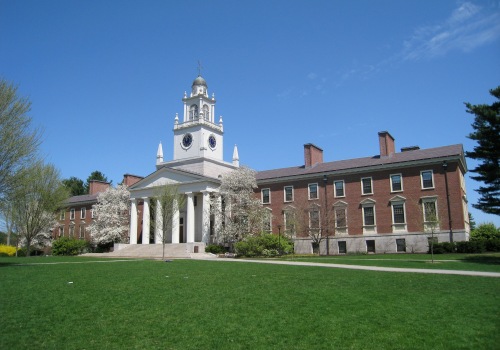
In the landscape of American education, challenging high schools play a pivotal role in shaping the future of students. These institutions are not merely focused on meeting basic educational standards; they strive to push the boundaries of academic rigor, preparing students for the complexities of higher education and beyond. The definition of what constitutes a challenging high school can vary significantly across different regions, with schools in Los Angeles often standing out for their unique approaches to education.Los Angeles, a city known for its cultural diversity and vibrant communities, is home to a range of high schools that exemplify academic excellence. Here, the commitment to education standards is evident in the curriculum offered, which often includes advanced placement (AP) courses, International Baccalaureate (IB) programs, and specialized tracks that cater to students' varied interests and abilities.
This emphasis on rigorous academics not only enhances students' knowledge but also fosters critical thinking and problem-solving skills essential for success in today’s fast-paced world.However, the challenge lies not just in the availability of advanced courses but also in how these schools engage all students, regardless of their starting point. Many schools in Los Angeles have adopted inclusive practices that encourage participation from a diverse student body, ensuring that even those who may struggle academically are given opportunities to excel. This approach reflects a broader understanding that true academic rigor is about more than just test scores; it’s about cultivating an environment where every student is challenged to reach their full potential.As we delve deeper into the characteristics that define the most challenging high schools across America, it becomes clear that institutions like those found in Los Angeles are at the forefront of this educational evolution. They serve as models for how schools can balance high expectations with support systems that empower all learners to thrive.
Criteria for Evaluating High School Challenges
Evaluating the challenges faced by high schools requires a comprehensive approach that goes beyond mere test scores.To truly understand how schools in Los Angeles and across the nation are preparing their students for future academic success, we must consider several key criteria.
- Advanced Placement (AP) Courses: One of the most significant indicators of a school's academic rigor is the availability and participation in AP courses. These college-level classes not only challenge students but also provide them with the opportunity to earn college credit while still in high school. Schools that encourage a diverse range of students to enroll in AP courses, regardless of their previous academic performance, demonstrate a commitment to fostering an environment where all students can thrive.
- International Baccalaureate (IB) Programs: Similar to AP courses, IB programs offer a challenging curriculum that emphasizes critical thinking, intercultural understanding, and exposure to a global perspective. Schools that implement IB programs often attract motivated students who are eager to engage in rigorous academic work.
The holistic approach of the IB curriculum prepares students not just for exams but for life beyond high school.
- Overall Academic Performance: While standardized test scores are often used as a benchmark for evaluating school performance, they do not tell the whole story. A school’s ability to improve student outcomes over time, particularly for those from underserved backgrounds, is a crucial factor. Schools that show significant growth in student achievement levels, especially among historically marginalized groups, should be recognized for their efforts.
- Student Engagement and Support: The level of student engagement in challenging coursework is another vital criterion. Schools that provide robust support systems—such as tutoring, mentorship programs, and counseling—help students navigate the demands of advanced courses.
This support can make a significant difference in whether students choose to take on these challenges.
- Diversity of Course Offerings: A school’s curriculum should reflect a wide array of subjects and disciplines that cater to various interests and career paths. Schools that offer specialized programs in STEM, arts, humanities, and vocational training allow students to explore their passions while also challenging them academically.
Top Challenging High Schools in Los Angeles
Los Angeles is home to a variety of high schools that not only challenge students academically but also prepare them for future success. Among these, several institutions stand out for their rigorous programs and commitment to excellence.1.Harvard-Westlake School This prestigious private school is known for its challenging curriculum that emphasizes critical thinking and creativity. With a strong focus on Advanced Placement (AP) courses, Harvard-Westlake encourages students to engage deeply with subjects ranging from the sciences to the humanities.The school’s commitment to a well-rounded education is evident in its extensive extracurricular programs, including arts and athletics, which foster personal growth alongside academic achievement.2.The California Academy of Mathematics and Science (CAMS) Located in Carson, CAMS is a public school that specializes in science, technology, engineering, and mathematics (STEM). It offers a rigorous curriculum that includes a wide array of AP courses and emphasizes hands-on learning through research projects and internships. CAMS has consistently ranked among the top high schools in Los Angeles due to its high college acceptance rates and the success of its graduates in STEM fields.3.Los Angeles Center for Enriched Studies (LACES) LACES is renowned for its challenging academic environment and diverse student body. The school offers an International Baccalaureate (IB) program that prepares students for global citizenship through a comprehensive curriculum that promotes critical thinking and intercultural understanding.
LACES also provides numerous opportunities for students to engage in community service, further enhancing their educational experience.4.Palisades Charter High School Palisades Charter High School stands out for its commitment to academic rigor and student support. The school offers a variety of AP courses and has a strong emphasis on college readiness. With dedicated counselors and resources aimed at helping students navigate their academic paths, Palisades ensures that all students are challenged while receiving the guidance they need to succeed.5.Venice High School Venice High School has made significant strides in recent years to enhance its academic offerings. With a focus on advanced coursework, including AP classes, Venice provides students with the tools they need to excel in higher education.
The school also emphasizes the importance of arts education, offering programs that allow students to explore their creative talents while maintaining rigorous academic standards. These schools exemplify the best of what Los Angeles has to offer in terms of challenging educational environments. By fostering a culture of excellence and providing diverse opportunities for growth, they prepare students not just for college but for life beyond the classroom.
The Role of Advanced Placement and International Baccalaureate Programs
In the landscape of high school education, Advanced Placement (AP) and International Baccalaureate (IB) programs play a pivotal role in challenging students academically. These programs are designed to provide rigorous coursework that not only prepares students for college but also fosters critical thinking and analytical skills essential for success in higher education and beyond.In Los Angeles , many high schools have embraced AP and IB programs as a means to elevate academic standards. Schools such as Granada Hills Charter High School and John Marshall High School offer a wide array of AP courses, allowing students to engage with subjects at a level that mirrors college expectations.This exposure is crucial, as research indicates that students who participate in AP courses are more likely to perform well in college, often earning higher GPAs than their peers who did not take such courses.The benefits of enrolling in AP and IB programs extend beyond just academic performance. These programs encourage students to develop a strong work ethic, time management skills, and the ability to handle complex material. For instance, the IB program , which is available at schools like Los Angeles High School for the Arts, emphasizes a global perspective and interdisciplinary learning, preparing students not just for college but for a diverse world.Moreover, the implementation of these programs in Los Angeles high schools has been met with enthusiasm from both educators and students. Schools are increasingly recognizing the importance of providing access to advanced courses for all students, regardless of their background.
This inclusivity is vital in ensuring that every student has the opportunity to challenge themselves academically.However, it is essential to note that while many schools in Los Angeles are making strides in offering AP and IB courses, disparities still exist. Some schools may have limited resources or fewer qualified teachers to support these advanced programs. Addressing these gaps is crucial for ensuring that all students can benefit from the rigorous academic challenges that AP and IB programs provide.In conclusion, the role of AP and IB programs in Los Angeles high schools cannot be overstated. They serve as a gateway for students to experience higher-level learning, develop essential skills, and prepare for future academic endeavors.
As more schools commit to expanding these offerings, the potential for student success continues to grow.
Comparative Analysis: Public vs. Private Schools in Los Angeles
When examining the educational landscape of Los Angeles, a critical comparison arises between public and private high schools. Each type of institution offers distinct advantages and challenges that can significantly impact student outcomes and academic rigor.Public Schools in Los Angeles
- Diversity of Student Body: Public schools in LA serve a diverse population, reflecting the city’s rich cultural tapestry. This diversity can enhance the learning experience by exposing students to various perspectives.
- Access to Resources: Many public schools are funded through state and local taxes, which can lead to disparities in resources.
However, some public schools, particularly those in affluent neighborhoods, have access to advanced placement (AP) courses and extracurricular programs that challenge students academically.
- Accountability Standards: Public schools are subject to state accountability measures, which can drive improvements in teaching quality and student performance. Schools that consistently underperform may face interventions aimed at enhancing educational outcomes.
Private Schools in Los Angeles
- Smaller Class Sizes: Private schools often boast smaller class sizes, allowing for more personalized attention from teachers. This can foster a more engaging learning environment where students feel supported in their academic pursuits.
- Curriculum Flexibility: Many private institutions have the freedom to design their curricula without the constraints of state mandates. This flexibility can lead to innovative teaching methods and specialized programs that cater to students' interests and strengths.
- College Preparation: Private schools frequently emphasize college readiness, offering extensive counseling services and advanced coursework.
This focus can result in higher college acceptance rates for graduates compared to their public school counterparts.
Performance Comparison
The performance of public versus private high schools in Los Angeles is often a topic of debate. While private schools may have higher average test scores, it is essential to consider the context of these figures. Public schools with robust AP programs are increasingly demonstrating that they can provide rigorous academic challenges comparable to those found in elite private institutions.Ultimately, the choice between public and private education in Los Angeles should be guided by individual student needs, family values, and educational goals. Both sectors offer unique opportunities for academic growth, but understanding their differences is crucial for making an informed decision.
Success Stories: Students Overcoming Challenges
In the heart of Los Angeles, numerous students are defying the odds and achieving remarkable success despite the challenges posed by their high school environments.These inspiring stories highlight the resilience and determination of young individuals who have transformed their academic journeys into tales of triumph.One such story is that of Maria Gonzalez , a senior at Roosevelt High School. Coming from a low-income neighborhood, Maria faced significant obstacles, including limited access to resources and support. However, her passion for science drove her to excel in her Advanced Placement (AP) courses. With the guidance of dedicated teachers who recognized her potential, Maria not only passed her AP exams but also earned a scholarship to a prestigious university.
Her journey exemplifies how determination and support can lead to extraordinary outcomes.Another inspiring example is James Lee , a student at Fremont High School. Initially struggling with his grades, James found himself at a crossroads when he was encouraged to join an after-school tutoring program. This program not only provided him with academic assistance but also fostered a sense of community among students facing similar challenges. Through hard work and perseverance, James improved his grades significantly and became a mentor for younger students, proving that overcoming personal struggles can empower others.
Jessica Ramirez
, a graduate of Wilson High School, faced the dual challenge of balancing academics with family responsibilities.
As the eldest sibling, she often took care of her younger brothers while managing her studies. Despite these challenges, Jessica's commitment to education never wavered. She participated in extracurricular activities that honed her leadership skills and ultimately earned a full scholarship to a local college. Her story serves as a testament to the power of resilience and the impact of community support.These success stories from schools in Los Angeles illustrate that with the right support systems in place, students can overcome significant barriers.
The dedication of teachers, mentors, and community programs plays a crucial role in helping students navigate their academic paths. As more students like Maria, James, and Jessica emerge from challenging backgrounds to achieve their dreams, they inspire future generations to believe in their potential and strive for excellence.
Community Support and Resources for Challenging Education
In Los Angeles, the landscape of education is significantly shaped by community support and resources that aim to enhance the learning experience for students in challenging high schools. These resources are crucial for fostering an environment where students can thrive academically, socially, and emotionally.One of the most impactful forms of community support comes from local organizations and non-profits dedicated to educational initiatives. For instance, organizations like College Track provide comprehensive support to students from underserved communities, helping them navigate the complexities of high school and prepare for college.They offer tutoring, mentoring, and workshops that focus on academic skills as well as personal development.Additionally, many high schools in Los Angeles partner with local businesses and universities to create mentorship programs. These partnerships not only provide students with real-world insights but also open doors to internships and job shadowing opportunities. Such experiences are invaluable in helping students understand the relevance of their education in a broader context.Moreover, community centers across Los Angeles often host after-school programs that focus on STEM (Science, Technology, Engineering, and Mathematics) education. These programs are designed to engage students in hands-on learning experiences that complement their school curriculum.
For example, organizations like LA’s BEST offer enrichment programs that include robotics, coding, and environmental science, which are essential for preparing students for future careers.Another vital resource is the availability of mental health services within schools and through community partnerships. Programs that focus on social-emotional learning help students develop resilience and coping strategies necessary for managing academic pressures. Schools like Fremont High School have implemented initiatives that provide counseling services and workshops aimed at promoting mental well-being among students.Furthermore, educational initiatives such as LA Unified School District’s efforts to increase access to Advanced Placement (AP) courses are crucial. By providing training for teachers and resources for students, these initiatives ensure that more students can take on challenging coursework without feeling overwhelmed.In conclusion, the role of community support and resources in Los Angeles is indispensable for students attending challenging high schools.
Through collaborative efforts between schools, local organizations, and community members, students are equipped with the tools they need to succeed academically while also receiving the emotional support necessary to navigate their educational journeys.
Future Trends in High School Education in Los Angeles
As we look toward the future of education in Los Angeles, several emerging trends and potential reforms are shaping the landscape of high school education. These changes aim to address the unique challenges faced by students in this diverse and dynamic city.One significant trend is the increasing integration of technology in the classroom. Schools in Los Angeles are beginning to adopt blended learning models , which combine traditional face-to-face instruction with online learning. This approach not only allows for personalized learning experiences but also prepares students for a technology-driven workforce.By leveraging digital tools, educators can provide tailored resources that cater to individual student needs, fostering a more engaging and effective learning environment.Another important development is the emphasis on social-emotional learning (SEL). Recognizing that academic success is closely tied to emotional well-being, many high schools are incorporating SEL programs into their curricula. These initiatives focus on developing skills such as resilience, empathy, and self-regulation, which are essential for navigating both academic challenges and life beyond school. By prioritizing mental health and emotional intelligence, schools aim to create a more supportive atmosphere that encourages student growth.Moreover, educational reforms in Los Angeles are increasingly focused on equity and access.
Efforts are being made to ensure that all students, regardless of their socioeconomic background, have access to advanced coursework and resources. This includes expanding Advanced Placement (AP) offerings and providing additional support for underrepresented students. By leveling the playing field, schools can challenge all students academically and prepare them for post-secondary success.Additionally, partnerships with local businesses and community organizations are becoming more prevalent. These collaborations provide students with real-world experiences through internships and mentorship programs, bridging the gap between education and career readiness.
Such initiatives not only enhance academic rigor but also equip students with practical skills that are highly valued in today’s job market.In conclusion, the future of high school education in Los Angeles is poised for transformation through technological integration, a focus on social-emotional learning, equitable access to advanced courses, and community partnerships. As these trends continue to evolve, they hold the potential to significantly enhance the academic challenges faced by students, ultimately preparing them for a successful future.
Conclusion: The Importance of Challenging Education for Future Success
As we reflect on the landscape of education in America, particularly in schools in Los Angeles, it becomes increasingly clear that the importance of providing a challenging educational environment cannot be overstated. The rigorous academic programs offered by some of the most demanding high schools serve not only to prepare students for higher education but also to equip them with essential skills for their future careers.Challenging education fosters critical thinking, creativity, and resilience—qualities that are indispensable in today’s fast-paced world. Students who engage with advanced coursework, such as Advanced Placement (AP) or International Baccalaureate (IB) programs, are often better prepared for the complexities of college-level studies.Research indicates that students who take these challenging courses tend to perform better academically in college, demonstrating the long-term benefits of a rigorous high school curriculum.Moreover, schools that prioritize challenging education create an environment where all students, regardless of their background, can thrive. This inclusivity is particularly vital in diverse urban settings like Los Angeles, where educational disparities can be pronounced. By encouraging students from various academic standings to participate in advanced classes, schools can help bridge the achievement gap and promote equity in educational outcomes.In addition to academic preparedness, a challenging education instills a sense of confidence and self-efficacy in students. When young learners tackle difficult subjects and succeed, they develop a growth mindset that encourages them to embrace challenges rather than shy away from them.
This mindset is crucial for future success, as it empowers students to pursue their goals with determination and resilience.Ultimately, the role of challenging education extends beyond individual achievement; it contributes to the overall health of our society. Educated individuals are more likely to engage in civic activities, contribute to their communities, and drive innovation. As we look toward the future, it is imperative that we continue to advocate for educational systems that prioritize rigorous academic standards and provide all students with the opportunity to excel.In conclusion, as we evaluate schools in Los Angeles and across the nation, let us remember that fostering an environment of challenge is not merely an educational goal but a societal necessity. By investing in challenging educational opportunities today, we are paving the way for a brighter and more successful tomorrow for our students.